Case study · Education
School Adventure Playground
A full reimagining of outdoor play — underused space becomes a hub for movement, inclusion and everyday confidence.
Impact metrics
Outcomes at a glance
Highlights from this type of education commission — pupil reach, curriculum use, design life and how the space is zoned for real supervision.
Pupils with daily access to varied outdoor play
Uplift in timetabled outdoor PE & learning
Year design life for primary surfacing & structures (spec-led)
Distinct play zones — quiet, active & social (supervision-aware)
For schools and public bodies we connect investment to what happens every week: usage, learning time, longevity and clear handover — so the case for capital sits alongside the day-to-day experience of pupils and staff.
We did not simply replace equipment — we redesigned how the school uses outdoor time every week, for every child.
Film
See the space in use
Brief
Challenge & strategic response
A concise read for governors and funders: what was wrong, what we changed, and why it holds up in use.
The challenge
Underused, uneven outdoor time
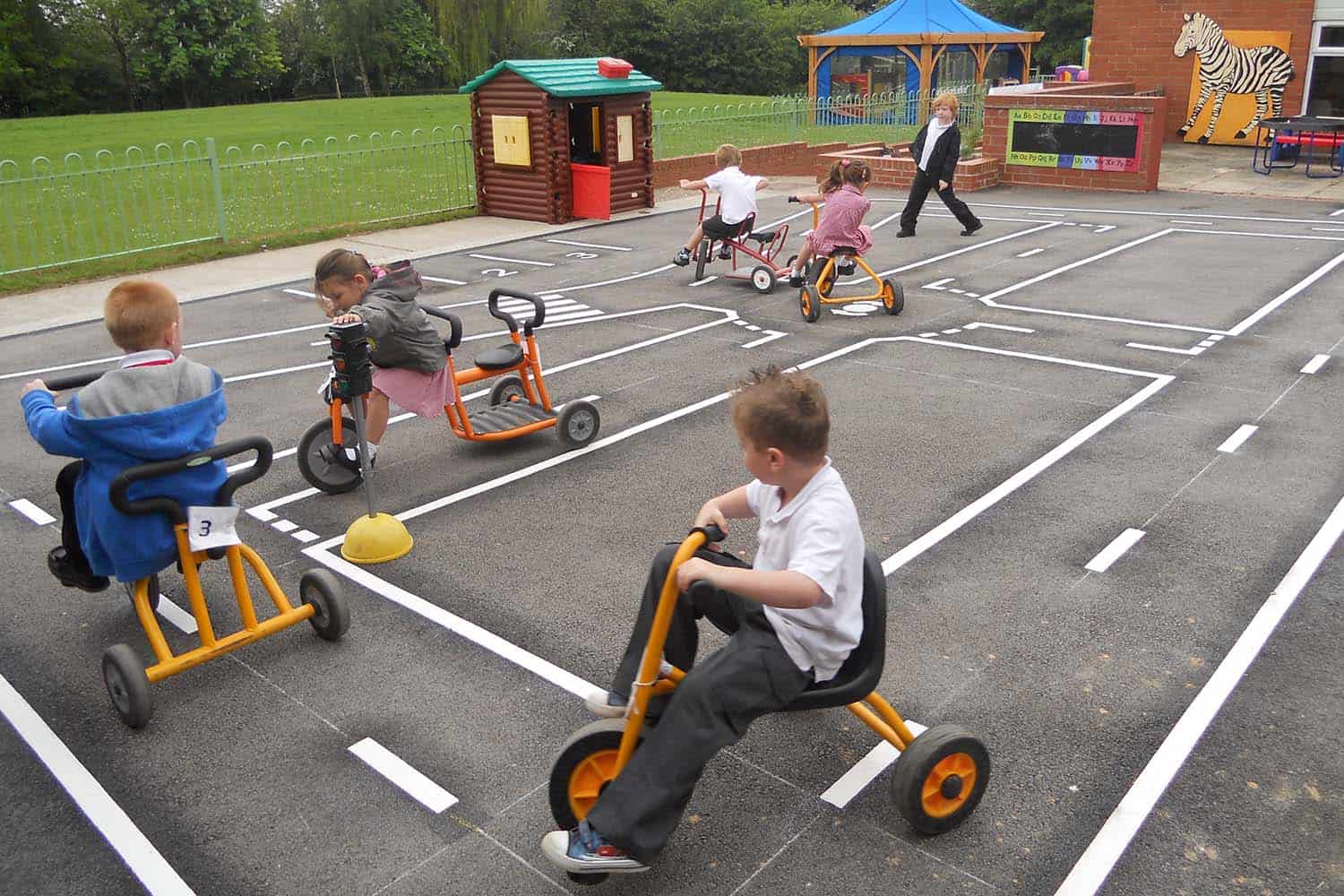
The existing playground no longer matched how children played, moved or learned. Equipment was tired, circulation was tight, and not every child could join in with confidence. The school needed a space that would support social connection, physical development and informal learning for years — not a one-off install.
Our response
Design-led construction, supervision-first
We mapped movement, sightlines and safeguarding before specifying kit. Zoning separates calm, active and social play so staff can supervise naturally. Materials and drainage were chosen for Scottish weather and heavy daily use — protecting the story the school tells to parents and inspectors.
Scope
What sat in — and out — of package
Clear boundaries help estates teams plan lifecycle cost and avoid scope creep at handover.
In scope
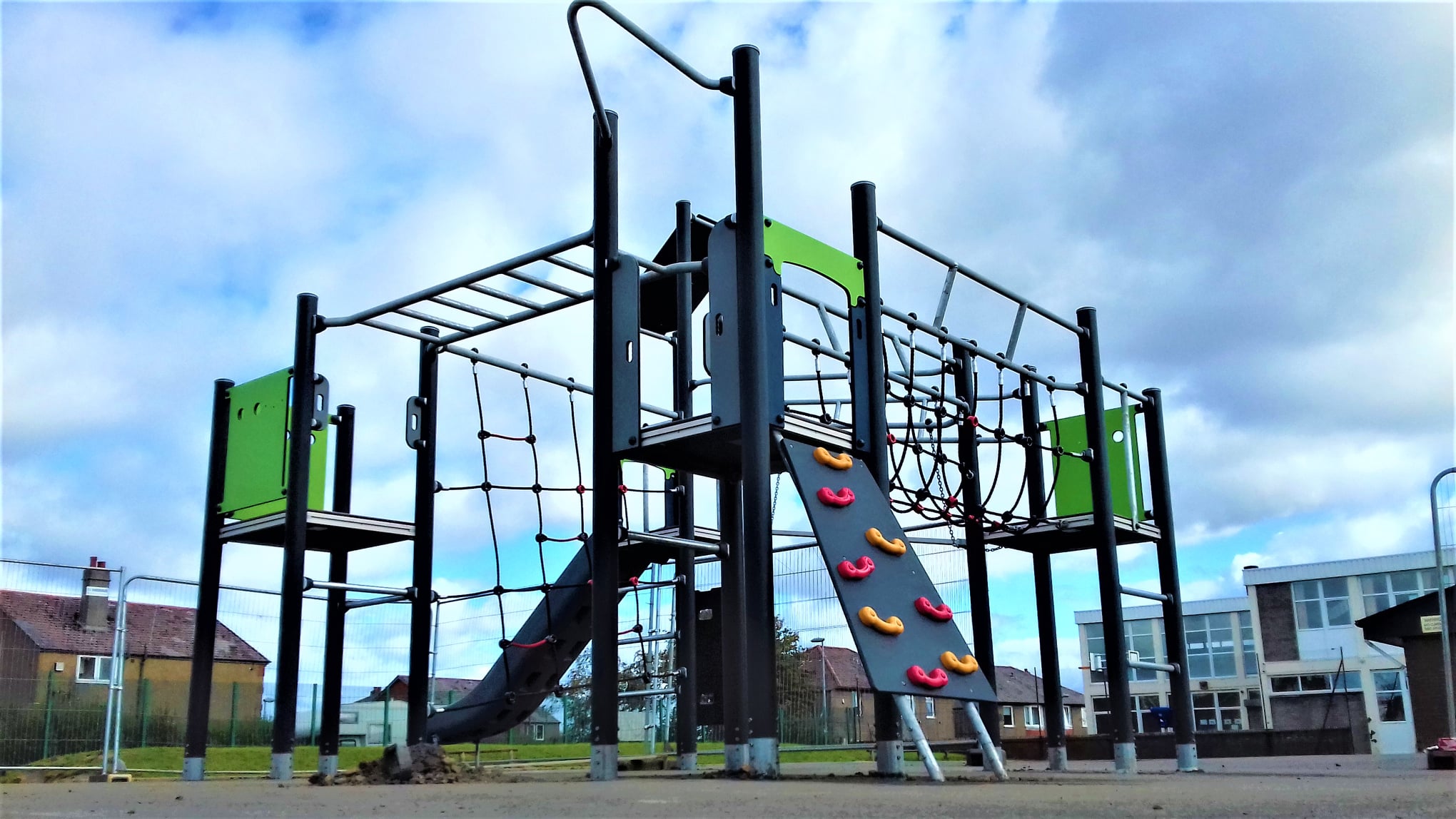
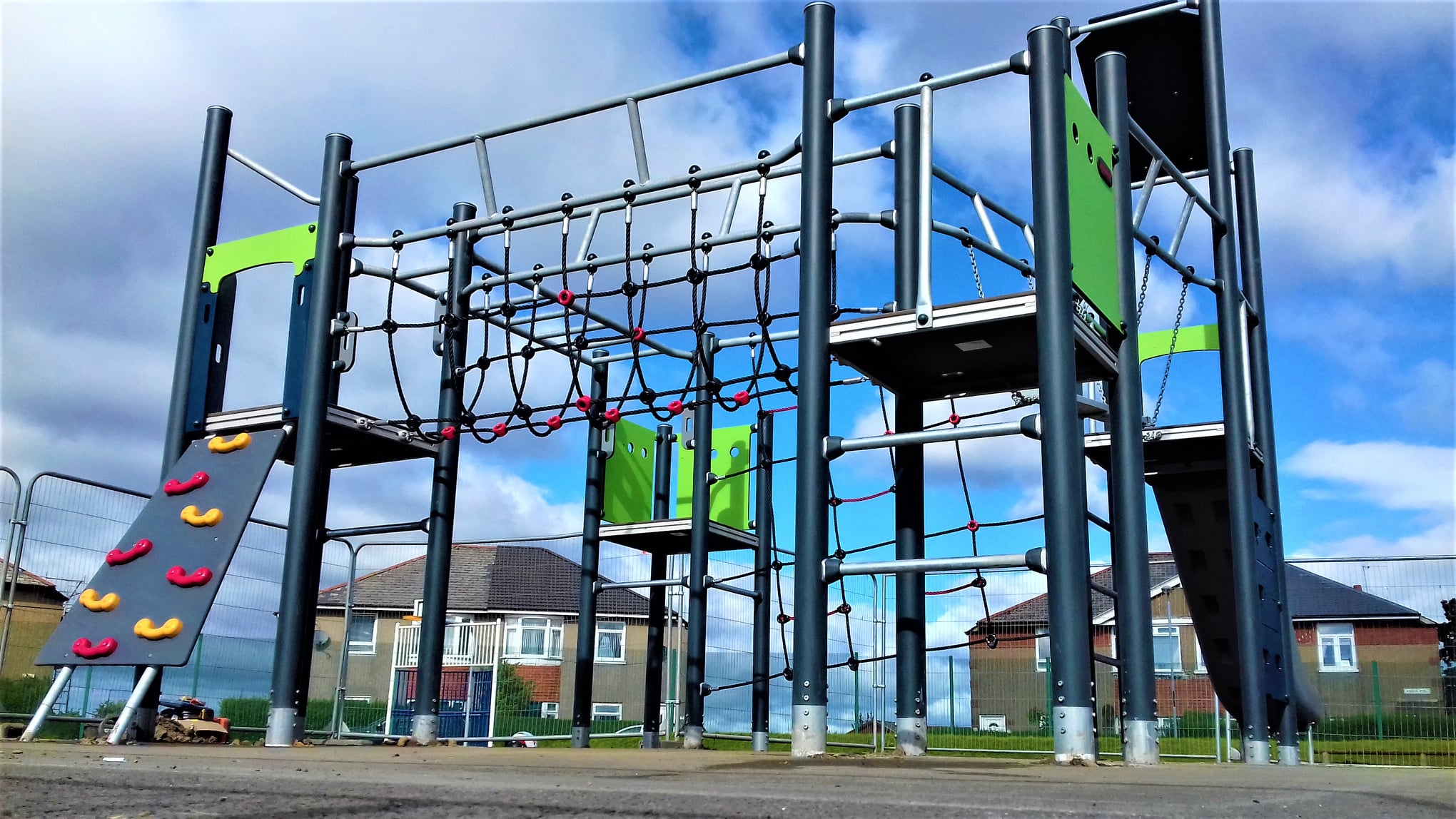
- Adventure play structure and varied challenges (age-band appropriate)
- Inclusive surfacing, edges and falls zones coordinated to brief
- Drainage, levels and interfaces with existing yard / building thresholds
- Phased build programme aligned to term dates and safeguarding
- Handover pack: care schedule, inspection prompts, warranty routes
Constraints & exclusions
- Live school site — noise, deliveries and segregation managed daily
- Fixed capital envelope — value engineered without diluting inclusion
- Third-party equipment warranties held with manufacturers where applicable
- Ongoing routine inspections remain the client’s operational responsibility
Community & user impact
Who gains — and how
Pupils, staff, families and estates — how a well-planned playground shows up in daily routines, trust and whole-life cost.
01
Pupils
More children participate meaningfully in break and outdoor learning — not only the most confident.
02
Teaching staff
Clear zones and sightlines reduce friction at peak times; outdoor sessions become easier to timetable.
03
Families
The grounds feel intentional before and after school — reinforcing trust in how the school invests in children.
04
Estates & budgets
Durable specification and documented handover lower reactive spend and protect asset condition.
Manufacturing & materials
Fabrication, specification & quality gates
How we controlled quality before anything reached site — approved specifications, signed-off material samples and factory checks matched to what arrives on the lorry.
Timber & steel
Pre-treated and graded structural timber; galvanised or powder-coated steel where specified — with fixings scheduled for inspection access.
Surfacing systems
Wet pour / bonded systems coordinated to fall zones and drainage falls — samples signed off before pour.
Factory & off-site checks
Equipment QA against order — dimensions, coatings and component lists matched to risk assessment inputs.
Compliance trail
BS EN 1176 / 1177 considerations captured in the project record pack for handover — tied to this site, not boilerplate paperwork.
Logistics planning
Delivery slots, crane / HIAB assumptions and laydown agreed with the school to protect safeguarding routes.
Sustainability choices
Long-life materials and replaceable wear components where possible — fewer full replacements over the design life.
Programme
Typical project timeline
Term-aware phasing from discovery to stewardship — exact dates follow your procurement route, holidays and weather windows.
-
Weeks 1–3
Discovery & co-design
Workshops with leadership and staff; confirm inclusion priorities, safeguarding lines and budget envelope.
-
Weeks 4–8
Technical design & approvals
Developed design, surfacing calculations, risk inputs and procurement pack for sign-off.
-
Weeks 9–14
Fabrication & procurement
Order long-lead play equipment; programme surfacing and civils materials to site windows.
-
Weeks 15–20
Site delivery & install
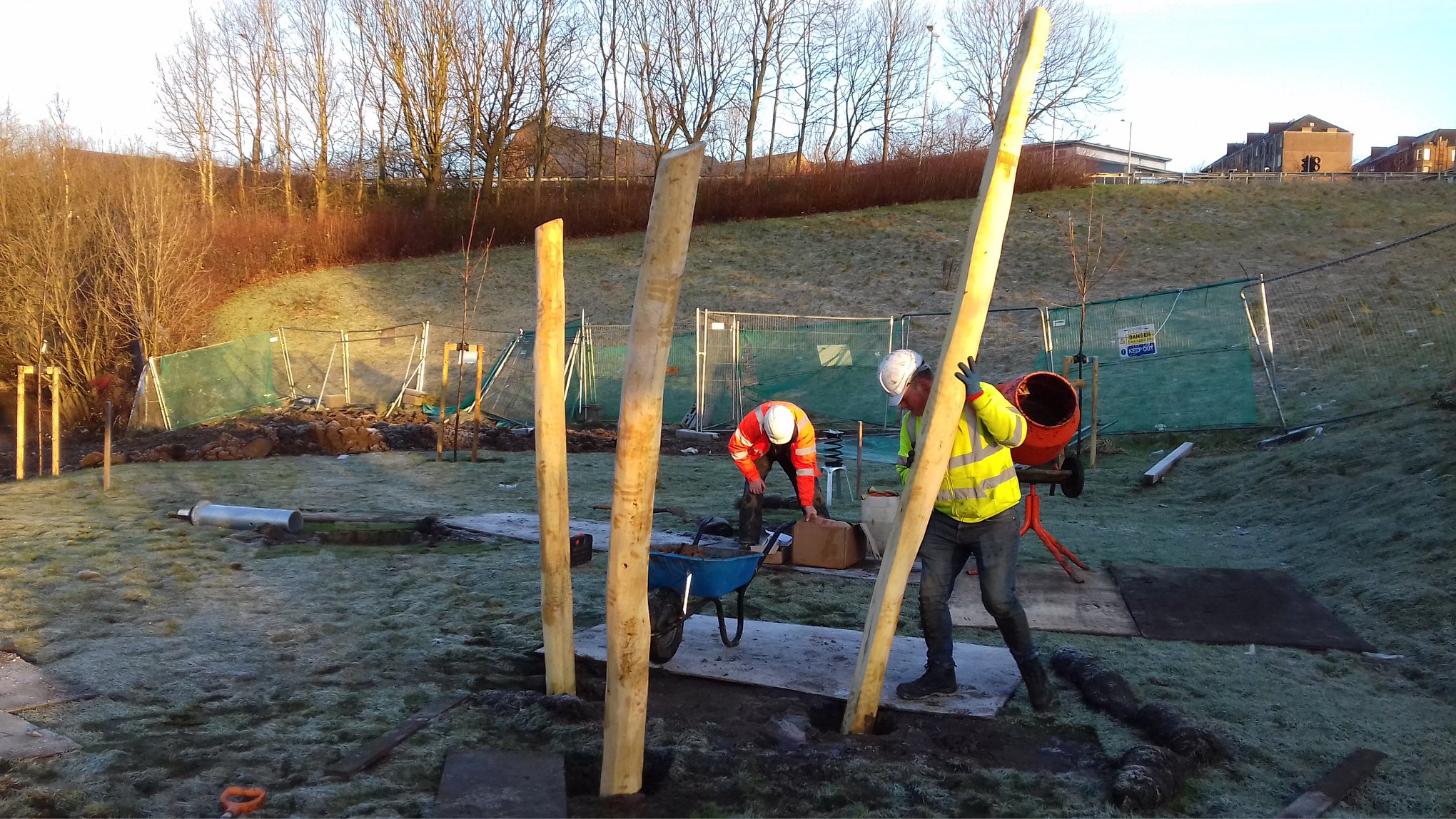
Phased strip / build; daily coordination with school; segregated works where pupils remain on site.
-
Weeks 21–22
Commissioning & snagging
Safety checks, clean-down, recorded snag list closed before partial / full handover.
-
Post-handover
Stewardship
Walk-through with estates; maintenance card; optional spares / refresh route for high-wear items.
Delivery & handover
What “complete” looked like on site
Clear records for estates, school leadership and site supervision — so the move from build to everyday operations is straightforward.
- Daily coordination with the nominated school contact and clear induction for subcontractors
- Recorded inspections at key stages — sub-base, surfacing pour, equipment fixings
- As-built mark-up and photographic record for estates files
- Practical completion walkthrough with agreed snag resolution dates
- Handover pack: care instructions, inspection prompts, warranty contacts
- Optional CPD-style session for midday supervisors on zones and inclusive use
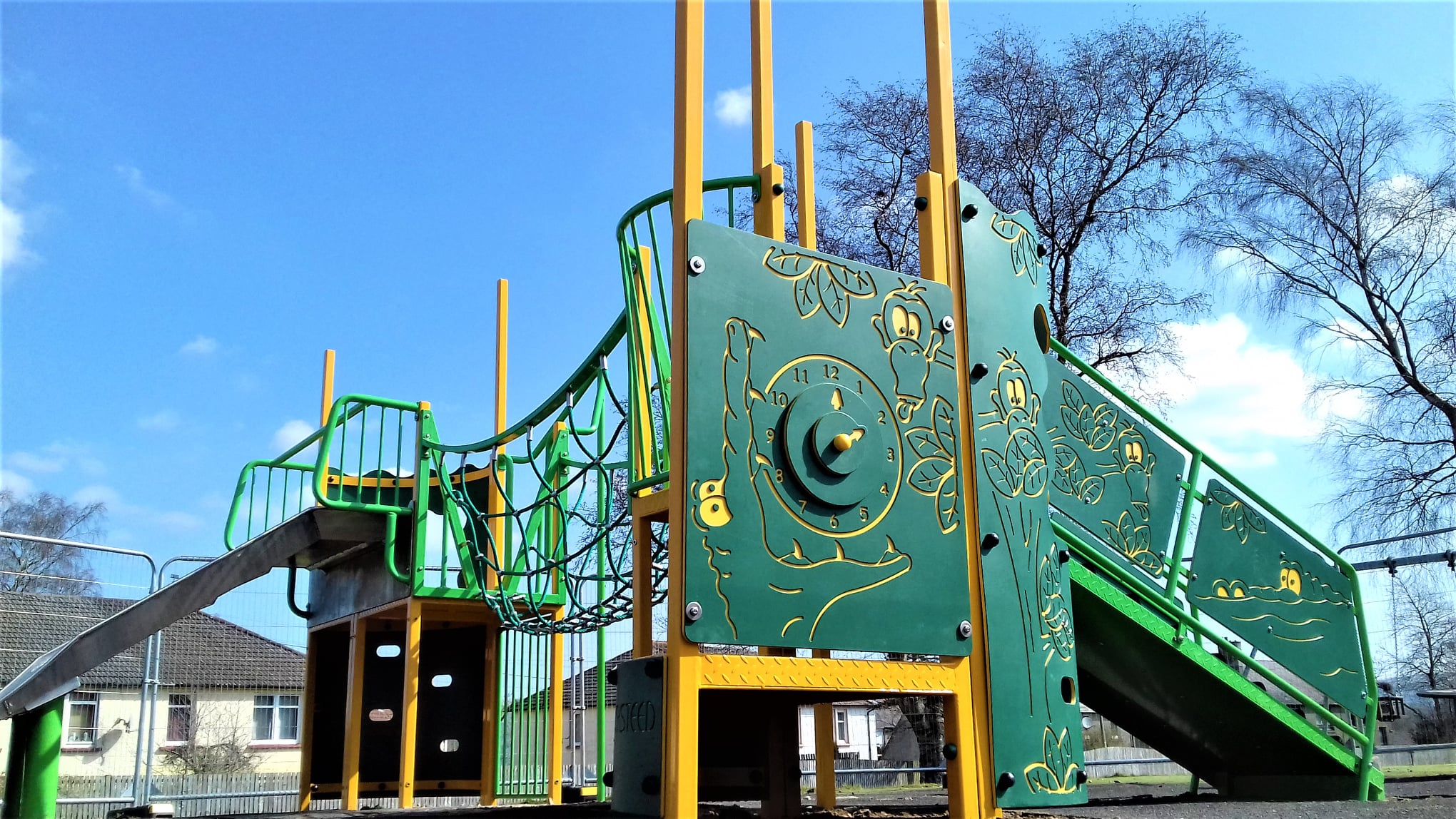
Stakeholders
Community value in practice
Outcomes told as people and places — not an equipment list.
Pupils & families
A clearer, more generous layout means more children can play together safely — welcoming before and after school, not only at break.
The school
Staff gain a flexible outdoor setting for PE, outdoor learning and social development — easing pressure on indoor rooms.
The wider area
Well-designed grounds strengthen trust between school and community. Durable choices protect investment and long-term use.
Client perspective
The team understood that we needed more than new equipment — we needed a space that every child could use with confidence. Communication was clear throughout, and the finished playground supports outdoor learning every day of the week.
Representative of the feedback we aim for on similar commissions — we can share context on request.
Wellbeing alignment
SHANARRI in daily use
Outcomes map naturally to Active, Included, Nurtured and Respected when the space is designed for real supervision and inclusion — not only for opening-day photography.
See how we frame wellbeing for education and community clients — and each SHANARRI indicator with a playground delivery note.
Wellbeing & Impact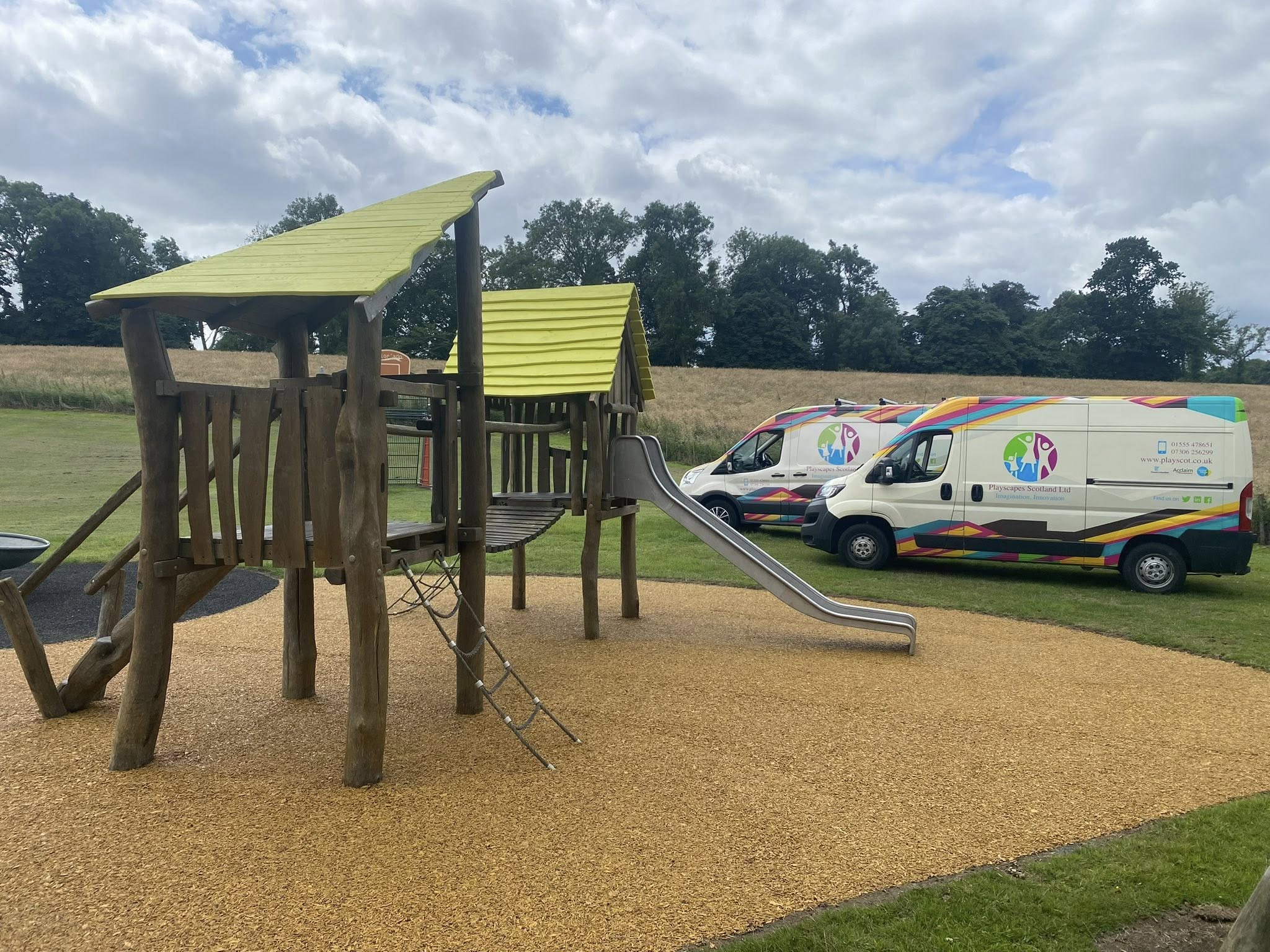
Success is whether children return to the space, staff use it naturally in the week, and the school can sustain it — imagination, made durable and usable in the real world.